
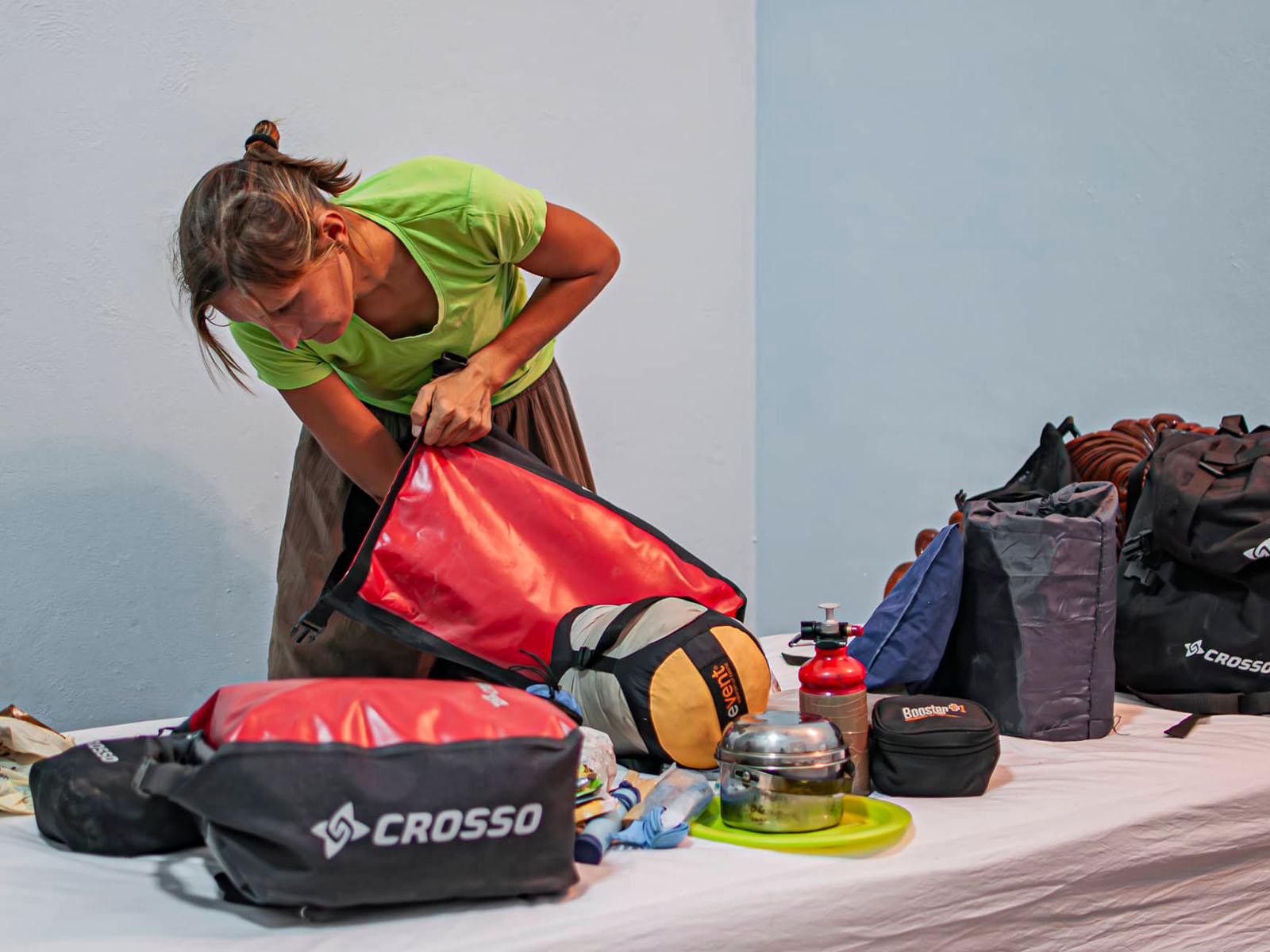
For many people, especially those starting their adventures with bicycle trips, packing panniers turns out to be quite a challenge. And although it looks quite simple at first, because all the equipment can be thrown into the panniers at will, this approach will mean that we will be constantly frustrated during our bicycle trip and we will not be able to find anything. Below, we have gathered our many years of experience and summarized them into neat points that will make every trip a pleasure.
Rule No. 1 – Center of Gravity & Balance
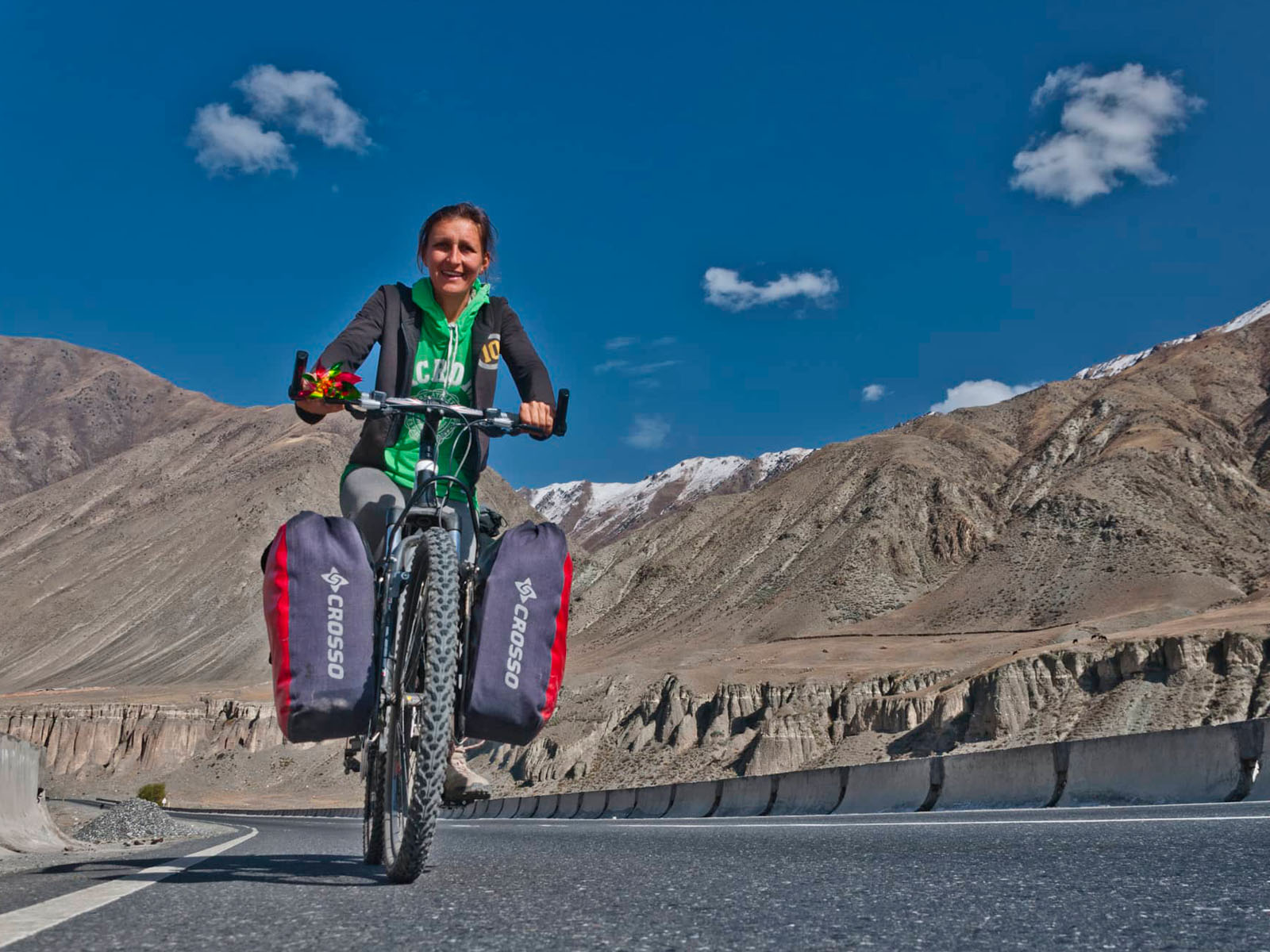
The center of gravity must be as low as possible and coincide with the axis of symmetry of the bicycle. Before you decide to go on your first trip and buy panniers, read the text about choosing bicycle panniers. Where you plan to go and for how long determines what equipment you need. Poorly distributed weight in the panniers will make the bike simply uncomfortable to ride and will push you to one side.
Balance is key. The left and right panniers, especially at the front, should weigh the same – poor balance seriously complicates cycling. When, for example, one of the front panniers contains very heavy equipment and the other only clothes, you will feel discomfort when maneuvering the steering wheel. It is also important that the heaviest equipment is placed as low as possible and close to the inner wall of the bag.
For longer trips, we recommend mounting the panniers also at the front on a low-rider rack. This makes the bike better balanced and much more stable. About 70% of the weight should be on the rear rack. Too heavy front panniers will have high inertia, which makes more dynamic bicycle maneuvers difficult. Much depends on the geometry of your bicycle, so you have to choose the optimal load distribution yourself.
Pro Tip: Once you have your load properly balanced, remember or write down what items go into which pannier – this will help you avoid unnecessary work re-packing the next day.
Rule No. 2 – Pack Thematically
Try to pack your bags thematically, that is, in such a way that you do not have to open all the bags to prepare a meal. Here is a sample setup:
- Left Front: All food supplies.
- Right Front: Heavy electronic equipment.
- Right Rear: Sleeping bag and sleeping pad.
- Left Rear: Clothes (separate clean and dirty ones in plastic bags!).
Also avoid putting wet or very sweaty things into panniers, even in plastic bags – it is better to place them under the flap of the rear pannier or attach the tent wheel to the rear rack.

Rule No. 3 – Secure Items & Liquids
Sharp objects: Protect items with sharp edges by wrapping them, for example, in a linen shopping bag. We transport canned food at the bottom of the front pannier this way.
Liquids: Make sure that all bottles (e.g. oil, shampoo, sunscreen) are tight and, for safety, always put them in extra plastic bags.
Gas & Electronics: Always place gas containers far from the outer wall of the bag to protect them from being crushed. The same rule applies to delicate equipment like laptops or cameras. If using a gasoline stove, store fuel separately from food.
Moisture control: In bad weather conditions, pack your sleeping bag in a solid plastic bag. Even in waterproof panniers, a sleeping bag can catch moisture from the air when you open the bag.

Rule No. 4 – Essentials at Hand
Don’t forget to put the most needed things on a given day in the top of the panniers, e.g. a raincoat under the rear flap, or snacks for the road.
Always keep your tools and first aid kit in a place where you can quickly access them – a good place is to place them in mini bags attached to the back of the rear pannier. Alternatively, use framebags mounted on the bicycle frame.
⚠️ IMPORTANT! Documents & Cash
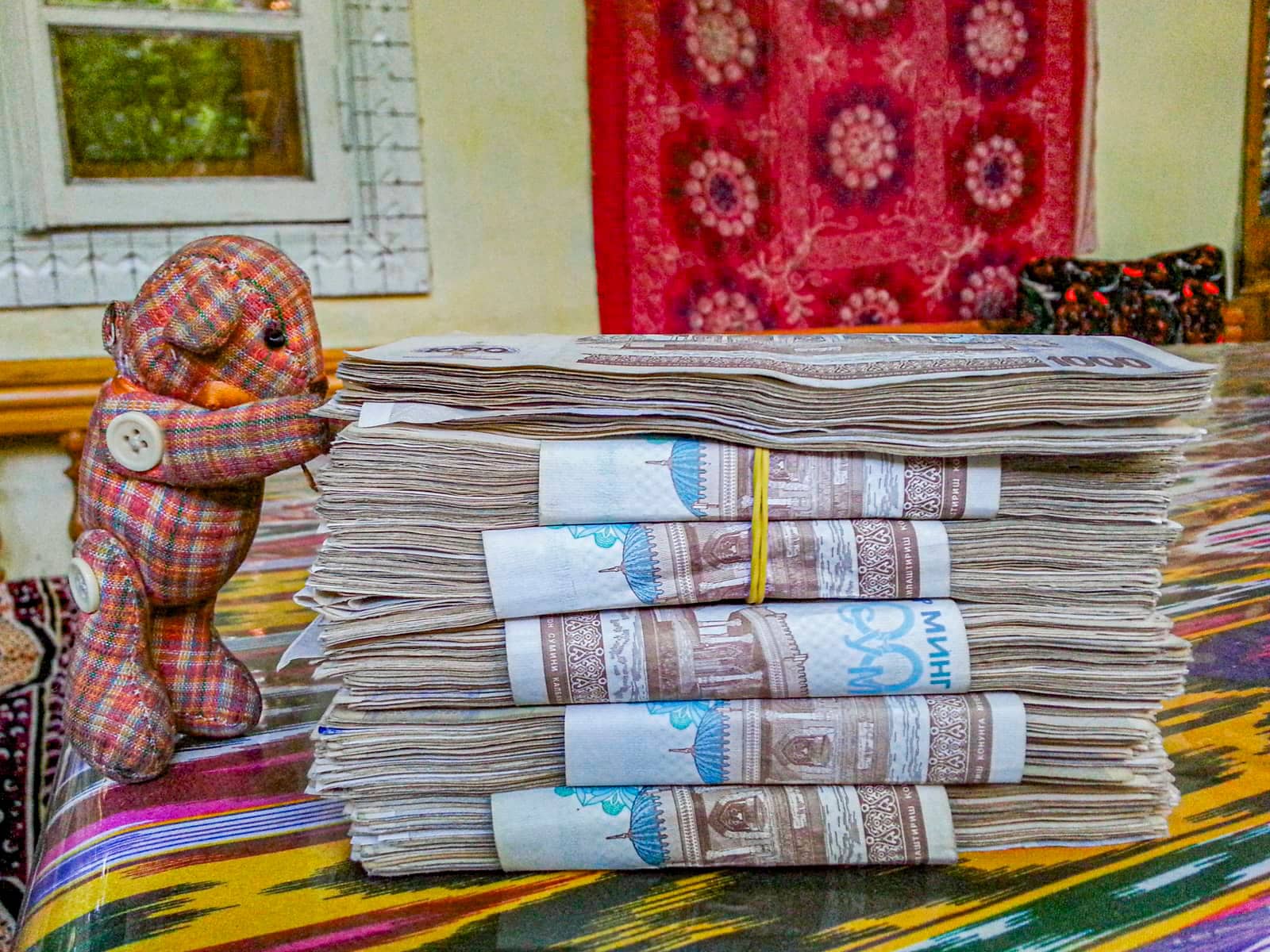
Particularly valuable items (camera, documents, money, phone) are best placed in a handlebar bag that can be easily removed. When going abroad, make a photocopy of your passport and store it at the bottom of a rear bag, away from the originals. If carrying large amounts of cash, spread the banknotes out in different bags.
Rule No. 5 – Trip Style Defines Luggage
It is no big secret that a week-long trip with hotel stops requires different packing than a six-month expedition along the Silk Road.
Short trips: If you plan to sleep in agroturism spots and eat in restaurants, you can skip the cooking gear and tent, significantly reducing weight.
Climate matters: A summer trip along the Mediterranean requires less gear than a Scandinavian loop in August, where snow is possible on passes. In wilder regions, you also need to carry more provisions to survive the wastelands.
If you have any questions or thoughts on the topic – write in the comments!
Good luck and always have the wind at your back!

 Founder of Crosso